Air Conditioning Maintenance
Professional Air Conditioning Maintenance & Seasonal Tune-Up in Branson, MO
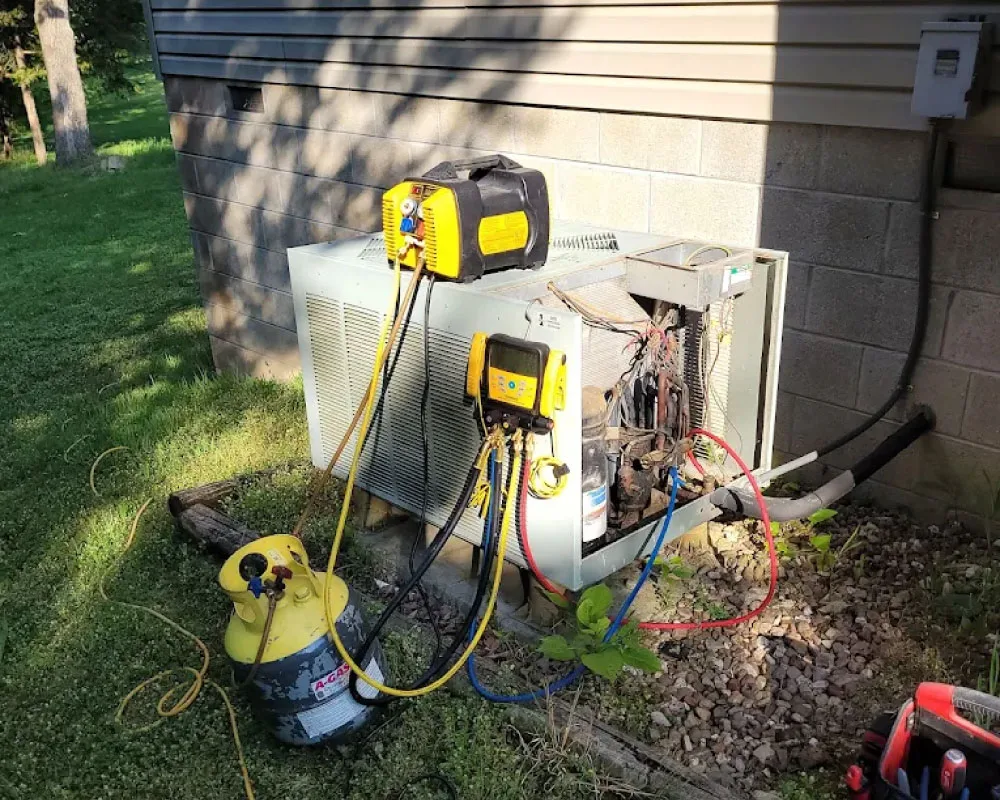
Your air conditioning system works hardest when you need it most - peak summer heat and seasonal transitions. Preventive maintenance keeps it running efficiently, catches small problems before they become expensive breakdowns, and extends the life of your equipment by years. We offer annual and bi-annual tune-ups tailored to your climate and usage.
Schedule a Tune-Up
Why Choose Us
Why Branson Homeowners Trust Us for Year-Round AC Care
Preventive maintenance is the single most cost-effective investment you can make in your cooling system. Here’s what sets 360 Comfort Solutions apart when it comes to keeping your AC running at its best.
Ready to Schedule Your Annual AC Maintenance?
Whether you haven’t had your system serviced in years or you’re looking to establish a regular tune-up routine, we can help you develop a maintenance schedule that fits your needs and budget.
Our Maintenance Process
What Happens During Your AC Maintenance Visit
From the first visual inspection to the final written report, here’s exactly what 360 Comfort Solutions does during every AC maintenance visit to keep your system running at peak performance.
Step 1: Visual System Walkthrough & Documentation
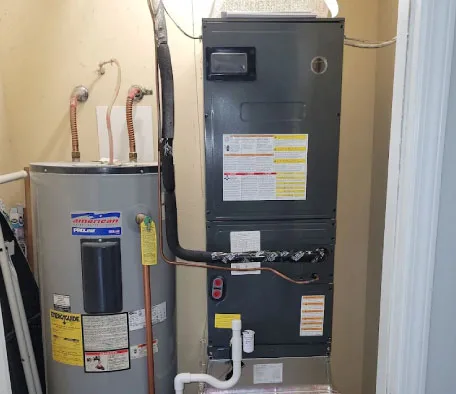
We begin by inspecting your entire system while it’s running. Outdoor unit: we check for debris, corrosion, refrigerant leaks (oil stains), bent fins, and secure mounting. Indoor air handler: we look for ice on the coil, water pooling, airflow restrictions, and thermostat integrity. We photograph baseline conditions so we can document any changes between visits.
- Check outdoor unit for physical damage, debris accumulation, and rust
- Inspect refrigerant lines for oil stains or visible damage
- Look for corrosion on coil fins and connection points
- Verify secure mounting and proper clearance around the unit
- Examine indoor coil for ice formation or water pooling
- Document visible condition with photos for your records
Step 2: System Airflow & Efficiency Testing
Reduced airflow is one of the most common efficiency killers and goes unnoticed by homeowners. We measure static pressure in your ductwork, check airflow at supply vents, and verify that your system is moving the volume of air it should. If airflow is weak, we diagnose the cause: clogged filter, dirty evaporator coil, crushed ducts, or undersized ductwork.
- Measure static pressure in return and supply ductwork
- Verify proper filter condition and replacement schedule
- Check airflow velocity at multiple supply registers
- Test for duct leaks that reduce cooling to certain rooms
- Evaluate thermostat placement and operation
- Confirm blower motor speed is appropriate for your system
Step 3: Refrigerant Pressure & Charge Verification
Refrigerant at the wrong pressure is a silent efficiency robber. Undercharged systems don’t cool well and stress the compressor because it has to work longer to move less refrigerant, driving up amperage and heat. Overcharged systems create dangerously high head pressures and pressure spikes that can burst lines or cause compressor failure. We measure high-side and low-side pressures with calibrated electronic gauges, calculate superheat and subcooling, and compare to manufacturer specs. This is the most critical part of maintenance - a single percentage point of undercharge can cost you 3–5% in cooling efficiency and shorten system life by years.
- Measure high-side and low-side refrigerant pressures with calibrated electronic gauges
- Calculate system superheat and subcooling to verify proper charge balance
- Compare all readings to equipment nameplate specifications and seasonal adjustments
- Check for refrigerant leaks at all solder joints, valve connections, and hose fittings
- Verify refrigerant type matches nameplate (R-410A, R-22, R-32, etc.) - never mix types
- Document pressure trends if system history exists from previous visits
- Discuss refrigerant recovery and proper recharging if system needs adjustment
Step 4: Electrical Components & Safety Controls
Compressors don’t just fail; their motors draw increasing amperage as bearings wear. Run capacitors develop high ESR before they fail completely. Contactors get pitted contacts that increase resistance. We test all electrical components and document readings to track trends year over year.
- Measure compressor motor amperage draw against equipment rating
- Test run capacitor with ESR (equivalent series resistance) meter
- Verify contactor operation and inspect contact surfaces
- Check thermostat wiring for loose connections
- Test all safety controls: high-pressure switch, low-pressure switch
- Measure voltage at the unit (should be within ±10% of nameplate)
Step 5: Coil Cleaning & System Optimization
A dirty evaporator coil reduces efficiency by 10–20% and increases the risk of freeze-up. A dirty condenser coil makes the outdoor unit work harder in the heat. We clean both coils and optimize your system for peak performance.
- Vacuum and chemically clean indoor evaporator coil
- Hose down and clean outdoor condenser coil fins
- Inspect and adjust thermostat settings for your usage
- Test heating/cooling cycle if system is heat pump capable
- Verify defrost cycle operation (if applicable)
- Document all findings on your service report
Step 6: Report, Recommendations & Next Steps
We sit down with you and review our findings. Here’s what we found, here’s how your system is performing compared to its design specs, and here’s what should be addressed now versus what we recommend monitoring. We provide a written report with all measurements, photos, and recommendations so you have a record.
- Present findings in plain language with visual documentation
- Explain any measurements that are out of spec
- Recommend any repairs or replacements needed soon
- Suggest monitoring items that are slightly off but not urgent
- Discuss filter replacement schedule and seasonal checkups
- Answer questions about your system’s operation and efficiency
- Provide invoice and schedule follow-up visit if needed
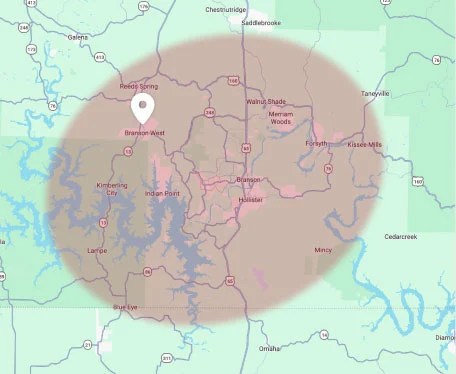
Don’t See Your Location?
We may still be able to help! Give our team a call today to see if we service your neighborhood, and we’ll be happy to assist you.
Service Areas
AC Maintenance Service Areas in Southwest Missouri
We service and maintain air conditioning systems across the Branson region - from our home base out to the smaller communities along the Table Rock Lake corridor.
Proudly Serving Our Communities Around:
Other Locations We Serve:
Explore More
Complete Air Conditioning Care
AC maintenance is the foundation of a reliable comfort system. Explore the related services we provide for homes and businesses across the Branson area.
Heat Pump Maintenance & Tune-Up
Year-round heating and cooling system care for maximum efficiency in both seasons.
Explore Heat Pump Maintenance & Tune-UpAC Repair & Emergency Service
When your system fails between maintenance visits, we’re available for same-day diagnosis and repair.
Explore AC Repair & Emergency ServiceAir Conditioning Installation & Replacement
If maintenance reveals an aging system, we guide you through replacement with properly sized equipment.
Explore Air Conditioning Installation & ReplacementMini-Split System Maintenance
Ductless systems need specialized care; we maintain Mitsubishi and Fujitsu units.
Explore Mini-Split System MaintenanceDuct Cleaning & Sealing
Dirty or leaky ducts reduce AC efficiency; we clean and seal to recover 15–20% in lost performance.
Explore Duct Cleaning & SealingFurnace Maintenance & Inspection
Pair your AC tune-up with furnace care for full-year system reliability.
Explore Furnace Maintenance & InspectionAn air conditioning system that’s properly maintained runs cooler, costs less to operate, and lasts longer. You’ll avoid the panic of a mid-summer breakdown when every contractor is booked solid, the cost of emergency service calls charged at premium rates, and the frustration of system failure when you need it most. The difference between a maintained system and a neglected one shows up every month on your energy bill - and in the day you have to replace a system that should have had another 5 years of life left. Our 40+ years of HVAC experience means we know the Branson-area climate, we know what systems perform well here, and we know exactly what to look for during maintenance to catch problems early.
Questions & Answers