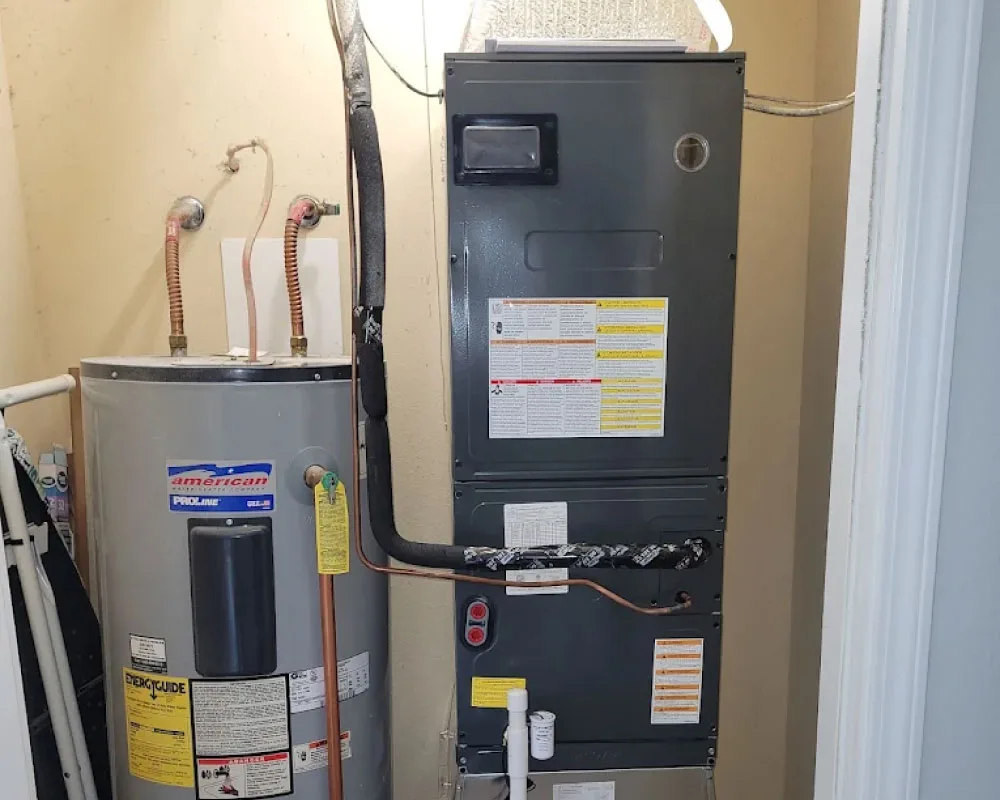
Furnace Installation & Replacement
Furnace Installation & Replacement in Branson, MO
Winters in the Ozarks demand a heating system that works reliably - and lasts. Whether you’re replacing an aging furnace or upgrading to a new high-efficiency model, we’ll guide you through the entire process: sizing, selection, installation, and the confidence that comes with professional workmanship.
Get a Free Estimate
Why Choose Us
Why Branson Homeowners Choose Us for Furnace Installation & Replacement
A new furnace is a 15-year decision. Here’s what sets 360 Comfort Solutions apart when it’s time to install or replace your heating system.
Ready to Upgrade Your Home’s Heating System?
Whether your current furnace is aging, failing, or simply inefficient, we’re ready to guide you through the upgrade process - from sizing and selection to professional installation and testing.
Our Installation Process
How We Install Your New Furnace System
From the first measurement to the final walk-through, here’s exactly what to expect when 360 Comfort Solutions installs your new heating system.
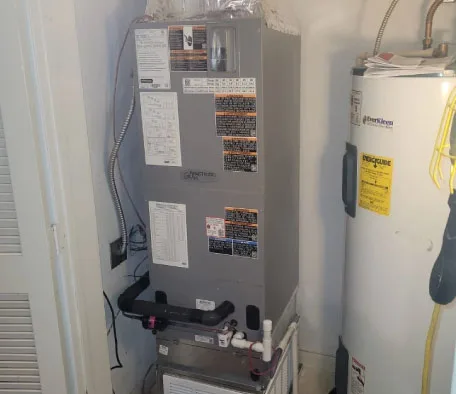
Step 1: In-Home Evaluation & Heating Load Calculation
Your furnace installation starts with a detailed evaluation of your home, current system, and heating patterns. We measure square footage room by room, assess insulation R-value and air sealing quality (checking for drafts and infiltration points), examine your ductwork condition, and discuss your comfort goals and budget. Using industry-standard load calculation methods (ASHRAE Manual J or similar), we determine your home’s actual heating requirement in BTU by factoring in your home’s construction type, window count and direction, basement or crawl space, local Branson heating degree-days, and desired indoor temperature. This ensures we recommend equipment that’s large enough to handle peak winter demand (those days when it hits 20°F and stays there) but not oversized - which would waste fuel, money, and cause inefficient cycling.
- Measure home square footage, room layout, and ceiling height
- Assess insulation R-value in attic, walls, and basement rim joists
- Evaluate air sealing quality (windows, doors, foundation cracks, penetrations)
- Inspect existing ductwork for leaks, sizing, and condition
- Calculate heating load based on ASHRAE standards and Branson climate data
- Discuss thermostat preferences, zoning options, and efficiency targets
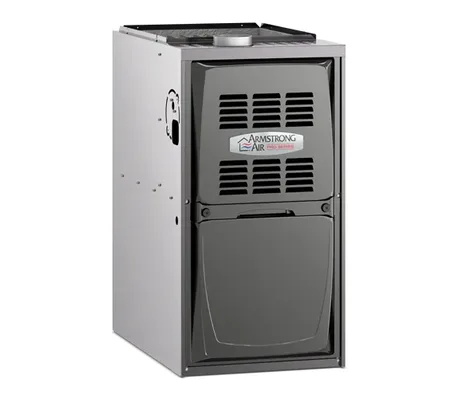
- Review equipment options from multiple manufacturers (Armstrong Air, Sterling, Lochinvar, others)
- Provide preliminary estimate and financing introduction
Step 2: Equipment Selection & Financing Overview
We present furnace options matched to your heating load and priorities. You might choose a traditional upflow furnace (mounted in a basement or utility closet for most homes), a downflow unit (for attic mounting when basement space is limited), or a horizontal furnace (for crawl space installation). We explain efficiency ratings (AFUE %) for each option - standard efficiency (80–88%), mid-range (90–94%), and high-efficiency (95%+) - along with warranty coverage and the projected fuel savings over the furnace’s 15+ year lifespan. We also introduce financing programs so you understand monthly costs and can make an informed decision without pressure.
- Present equipment tiers: standard efficiency (AFUE 80–88%), mid-range (AFUE 90–94%), and high-efficiency (AFUE 95%+)
- Compare fuel-cost savings year-over-year and over system lifespan
- Explain warranty terms, parts coverage duration, and labor protection
- Discuss upflow, downflow, and horizontal furnace placement options and trade-offs
- Review available manufacturer rebates and utility incentive programs
- Calculate monthly financing payments for each equipment tier and term
- Outline flexible financing options from multiple lending partners
- Address tax credits or energy-efficiency incentives available in your area
Step 3: Ductwork Inspection & Conditioning Assessment
Furnace performance depends entirely on healthy ductwork. We perform a thorough ductwork assessment, inspecting ducts for air leaks (which are common in older Branson homes), crushed or collapsed sections, poor connections, and undersizing. If your ductwork has problems, we’ll recommend sealing with mastic and tape, insulation upgrades, repair, or replacement - addressing these issues as part of the installation ensures your new furnace delivers heat efficiently throughout your home rather than losing it to attics and crawl spaces. We also test static pressure and airflow before and after any ductwork corrections, establishing a baseline so you can see the improvement.
- Inspect ductwork for air leaks, crushed sections, and poor connections (using visual and airflow tests)
- Test static pressure and airflow with calibrated instruments
- Identify undersized ducts or poor return air paths
- Recommend sealing (mastic, tape), insulation upgrades, or duct replacement as needed
- Ensure ductwork is properly sized for the new furnace’s BTU output
- Check return air intake placement and filter accessibility
- Verify supply and return air balance for comfort and efficiency
- Document baseline performance with photos and pressure/flow measurements
- Provide written ductwork report with recommendations and cost estimates
Step 4: Professional Furnace Installation & System Integration
Our installation crews handle every aspect of proper placement, gas line connections, ductwork attachment, electrical integration, and venting setup. The furnace is positioned securely on a level, vibration-dampened pad (basement, attic, or crawl space depending on your home’s configuration). All gas supply lines are sized correctly for your furnace model and pressure requirements, then pressure-tested to ensure zero leaks - a critical safety step because even tiny gas leaks are hazardous. Supply and return ductwork connections are sealed with mastic sealant and secured with sheet metal screws, preventing heated air from leaking into wall cavities. We install or update your thermostat with a model compatible with your new furnace, programming it for your comfort preferences.
- Install furnace on a level, stable, vibration-dampened pad or mounting bracket
- Size and connect gas supply line with proper pressure regulation and leak testing
- Attach supply and return ductwork with sealed, secure joints (mastic + fasteners)
- Mount the furnace filter rack for easy seasonal filter changes
- Verify complete airflow path and return air intake location
- Install or update thermostat with proper wiring and compatibility testing
- Connect all electrical components: power, thermostat wire, safety interlocks
- Install and test the venting system for proper draft and exhaust clearance
- Verify furnace-to-AC or furnace-to-heat-pump integration if applicable
- Test all safety switches and shutoff mechanisms
- Confirm proper gas combustion with pilot light or spark ignition operation
Step 5: Performance Testing, Programming & Final Handoff
Before the job is complete, your new furnace undergoes full performance testing to ensure every system is operating correctly and safely. We light the furnace and verify reliable ignition - whether it’s a pilot light or spark ignition, the system must start instantly and reliably. We measure temperature rise across the heat exchanger to confirm it’s within the manufacturer’s specifications. We test combustion using a calibrated gas analyzer, measuring flue gas composition to verify the furnace is burning fuel cleanly and efficiently. We program your thermostat to your preferred comfort settings and provide comprehensive documentation including model number, serial number, warranty cards, efficiency rating, and maintenance schedule.
- Light the furnace and verify reliable ignition sequence (multiple cycles)
- Measure heat exchanger temperature rise to verify operating efficiency
- Test combustion via calibrated gas analyzer for safe, clean-burning operation
- Check all safety shutoff switches: limit, rollout, pressure, and interlock switches
- Verify blower motor operation and airflow at all registers
- Test the furnace-to-thermostat communication and control signal
- Program thermostat with your comfort preferences and weekly schedule
- Verify venting system draft and exhaust clearance one final time
- Conduct detailed walk-through: filter location, thermostat controls, maintenance schedule
- Provide complete system documentation, warranty cards, serial numbers, specifications
- Explain seasonal startup, maintenance intervals, and when to call for service
- Answer all homeowner questions and confirm system is operating correctly
Don’t See Your Location?
We may still be able to help! Give our team a call today to see if we service your neighborhood, and we’ll be happy to assist you.
Service Areas
Furnace Installation Service Areas in Southwest Missouri
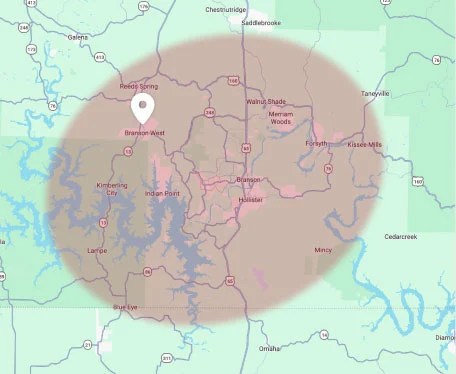
We install new furnaces and perform replacements across the Branson region - from our home base out to the smaller communities along the Table Rock Lake corridor.
Proudly Serving Our Communities Around:
Other Locations We Serve:
Explore More
Complete Heating & Home Comfort Services
A new furnace performs best as part of a complete comfort system. Explore the related services we provide for homes and businesses across the Branson area.
Heat Pump Installation & Replacement
Two-in-one heating and cooling systems that replace both your furnace and air conditioner with a single, highly efficient unit.
Explore Heat Pump Installation & ReplacementFurnace Repair & Emergency Service
When your furnace fails on a cold night, we diagnose and fix it fast with same-day availability.
Explore Furnace Repair & Emergency ServiceFurnace Maintenance & Tune-Up
Annual fall service to ensure your new furnace runs reliably, efficiently, and safely all winter.
Explore Furnace Maintenance & Tune-UpAir Conditioning Installation & Replacement
Pair your new furnace with central AC or a heat pump for year-round comfort.
Explore Air Conditioning Installation & ReplacementDuctwork Sealing & Optimization
Seal leaky ducts to recover heating efficiency and ensure warm air reaches every room.
Explore Ductwork Sealing & OptimizationIndoor Air Quality Solutions
Add humidifiers, air filtration, or UV lights to your new furnace system for cleaner, healthier winter air.
Explore Indoor Air Quality SolutionsYour Furnace Installation
Ready to Install a New Furnace for Dependable Winter Heating?
Installing a new furnace is one of the biggest comfort and financial decisions you’ll make. The right system - properly sized, professionally installed, and regularly maintained - will heat your home reliably for 15+ years while keeping your winter energy bills under control. Our 40+ years of heating experience means we understand the Branson-area climate, we know which systems perform best here, and we’re invested in your long-term comfort. Call us to schedule a free in-home evaluation, and let’s find the perfect heating system for your Branson home.
Questions & Answers