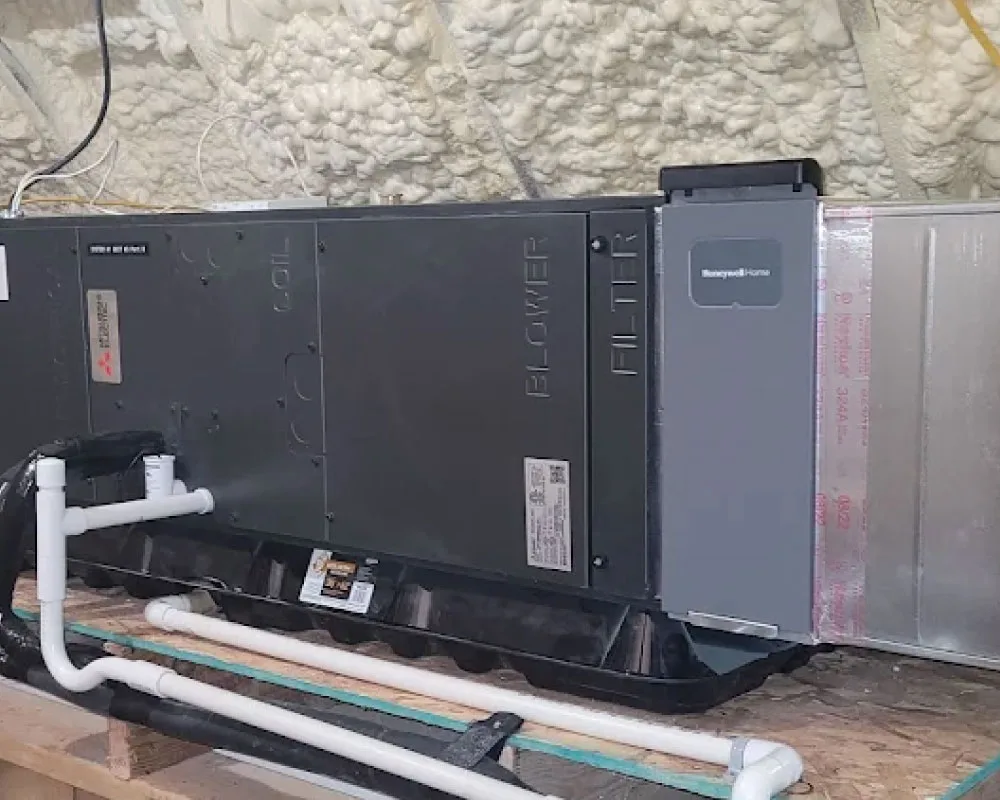
Duct Cleaning
Professional Duct Cleaning for Cleaner, Healthier Air
Your HVAC system’s ductwork is the delivery network that brings conditioned air to every room in your home. Over years of operation, dust, pollen, pet hair, mold spores, and debris accumulate inside those ducts - invisible until your system pushes them into the air you breathe. A professional duct cleaning removes years of buildup, improving air quality, enhancing HVAC efficiency, and reducing the strain on your system.
Get a Free Estimate
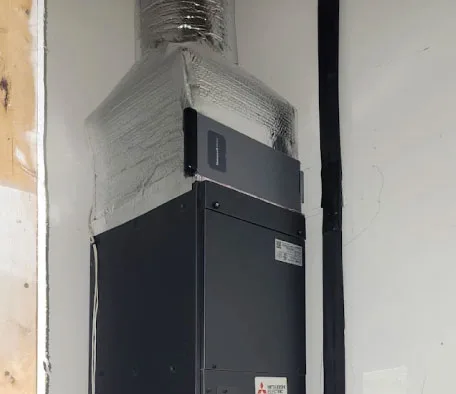
Why Choose Us
Why Branson Homeowners Choose Us for Duct Cleaning
Duct cleaning is a core part of whole-home maintenance. Here’s what sets 360 Comfort Solutions apart when it’s time to clean and inspect your ductwork.
Is Your Home’s Ductwork Due for Cleaning?
If you’ve noticed dust clouds from vents, odors when your system runs, rooms that are consistently harder to heat or cool, or simply want to ensure your system is as clean as possible, contact us for a professional assessment. We’ll inspect your ducts with a camera, show you what we find, and recommend whether cleaning is appropriate.
Our Cleaning Process
How We Clean Your Home’s Ductwork
Professional duct cleaning is more involved than you might expect. From the initial video inspection to the final documentation, here’s exactly what to expect when 360 Comfort Solutions cleans your ductwork.
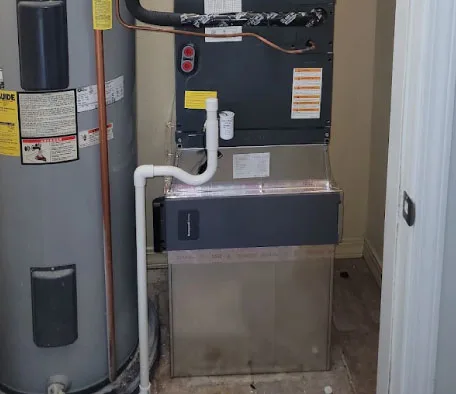
Step 1: Initial Video Inspection
We insert a flexible camera probe into your return-air ductwork and document what we find - dust accumulation, mold, debris, damage, or previously unknown issues. You see the footage on a monitor before we begin work. This allows us to identify problem areas and adjust our cleaning plan accordingly.
- Insert flexible camera probe into return-air ductwork
- Document dust accumulation, mold, and debris
- Identify damage or disconnections in duct sections
- Show you live footage before any work begins
- Adjust cleaning plan based on findings
- Provide baseline documentation for your records
Step 2: Seal & Prepare for Containment
We seal all supply registers and return-air grilles with plastic and tape to prevent dust from escaping into your home during cleaning. We also seal your furnace/AC return to contain debris. This preparation is critical - without proper containment, duct cleaning just redistributes dust into your living spaces.
- Seal all supply registers with plastic and tape
- Seal return-air grilles to contain debris
- Protect furnace and AC return connections
- Lay protective coverings over flooring near work areas
- Verify all access points are properly sealed
- Confirm negative pressure system is ready to connect
Step 3: Negative Pressure Suction
Our truck-mounted system connects to your ductwork and creates negative pressure - pulling air (and debris) from ducts toward a sealed collection tank on our truck. This negative pressure is the key to effective cleaning. Debris is pulled out of ducts, down flexible hoses, and into a massive collection tank outside your home - never recirculated indoors.
- Connect truck-mounted system to ductwork
- Establish negative pressure throughout the duct system
- Pull debris toward sealed collection tank on truck
- Prevent any dust from recirculating into living spaces
- Monitor suction levels throughout the process
- Maintain containment from start to finish
Step 4: Dislodge Debris with Compressed Air
While negative pressure pulls, we use compressed air equipment inside ducts to dislodge stuck dust, debris, and buildup. This agitation loosens decades of settled material, making it easier to pull through the suction lines. We work systematically through supply ducts, return ducts, plenums, and any accessible areas.
- Use compressed air tools to agitate settled debris
- Work systematically through supply and return ducts
- Clean plenums and all accessible duct sections
- Dislodge decades of accumulated dust and buildup
- Ensure debris is captured by negative pressure system
- Address problem areas identified during initial inspection
Step 5: HVAC Component Cleaning
We also clean your furnace blower and evaporator coil while we’re connected to the system. A clean coil improves cooling efficiency and reduces the risk of mold growth. The blower removes accumulated dust that would otherwise recirculate through your newly cleaned ducts.
- Clean furnace blower wheel and housing
- Clean evaporator coil to improve cooling efficiency
- Remove dust from blower motor and components
- Inspect coil for signs of mold or biological growth
- Apply antimicrobial treatment if needed
- Verify components are reassembled correctly
Step 6: Post-Cleaning Inspection & Optional Duct Sealing
After cleaning, we run the system and use our camera to verify the ducts are clean. You see the after footage - often a dramatic transformation from the before images. We provide documentation for your records. If we identified leaks or disconnections during inspection, we can seal them with mastic sealant or recommend repair for larger issues.
- Run post-cleaning camera inspection through ducts
- Show you before-and-after footage comparison
- Provide written documentation for your records
- Identify any leaks or disconnections for sealing
- Apply mastic sealant to small leaks if requested
- Recommend repair for larger ductwork damage
- Review maintenance schedule and filter upgrade options
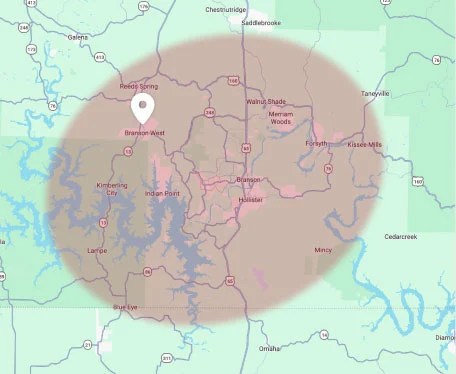
Don’t See Your Location?
We may still be able to help! Give our team a call today to see if we service your neighborhood, and we’ll be happy to assist you.
Service Areas
Duct Cleaning Service Areas in Southwest Missouri
We provide professional duct cleaning and inspection services throughout Branson and the surrounding region - from our home base out to the smaller communities along the Table Rock Lake corridor.
Proudly Serving Our Communities Around:
Other Locations We Serve:
Explore More
Related Air Quality & HVAC Services
Duct cleaning performs best as part of a complete home comfort strategy. Explore the related services we provide for homes and businesses across the Branson area.
Indoor Air Quality Solutions
Duct cleaning is most effective when combined with upgraded filtration, UV disinfection, and humidity control for complete home comfort.
Explore Indoor Air Quality SolutionsAir Conditioning Services
A clean ductwork system improves cooling efficiency. Our AC repair, maintenance, and installation services pair naturally with duct cleaning.
Explore Air Conditioning ServicesFurnace Services
Your heating system also uses the ducts you’ve just cleaned. We provide complete furnace installation, repair, and maintenance.
Explore Furnace ServicesFurnace Maintenance Plans
Regular furnace maintenance includes blower and coil cleaning, which complements your duct cleaning and keeps your whole system performing optimally.
Explore Furnace Maintenance PlansDryer Vent Cleaning
Clogged dryer vents are a leading cause of house fires. Pair your duct cleaning with professional dryer vent cleaning for complete peace of mind.
Explore Dryer Vent CleaningHVAC Services Overview
Duct cleaning is one component of total home comfort. Explore all our heating, cooling, and air quality services to understand how they work together.
Explore HVAC Services OverviewYour Duct Cleaning
Professional Duct Cleaning: The Investment That Keeps Paying Dividends
Dust, pollen, pet dander, mold spores, and debris circulate through your home thousands of times annually if they’re living in your ducts. A single professional cleaning removes years of accumulated contamination - improving air quality, reducing allergen triggers, and enhancing your entire system’s efficiency. Our certified technicians understand Branson’s climate, local allergen patterns, and the construction styles of homes throughout the region. We perform thorough video inspections, use state-of-the-art truck-mounted equipment, and provide you with documented before-and-after footage so you know exactly what we’ve accomplished.
Questions & Answers