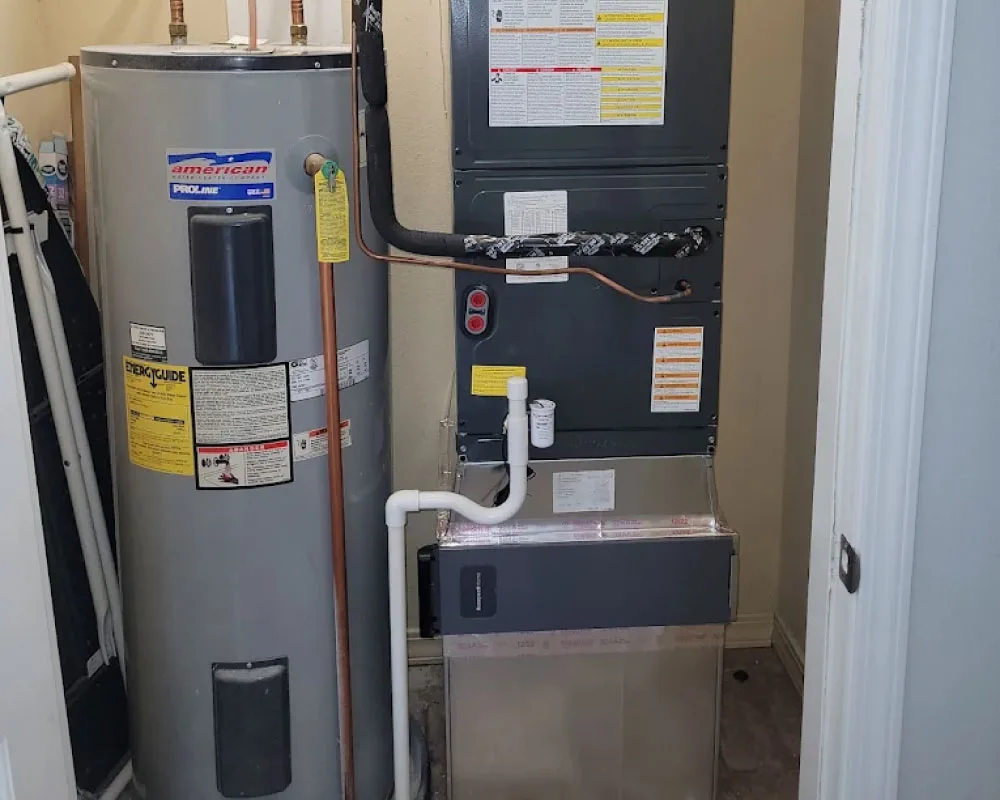
Tankless Water Heater Repair
Tankless Water Heater Repair in Branson, MO
No hot water or running out mid-shower? Your tankless system may need professional diagnosis and repair. We handle gas, electric, Rinnai, Navien, and all major brands with same-day service availability.
Get a Free Estimate
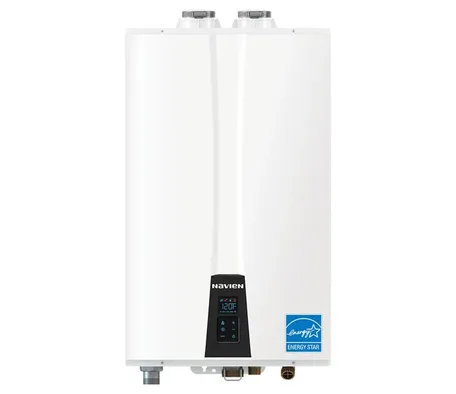
Why Choose Us
Why Branson Homeowners Trust Us for Tankless Repair
From rapid diagnosis to same-day repairs and honest assessments, here’s what sets 360 Comfort Solutions apart when your tankless water heater needs attention.
Experiencing Tankless Water Heater Problems?
From no hot water to temperature swings, scaling issues to error codes, we diagnose and repair all common tankless failures. Contact us for an immediate evaluation.
Our Repair Process
How We Diagnose and Repair Your Tankless System
From the first call to the final walk-through, here’s exactly what to expect when 360 Comfort Solutions repairs your tankless water heater.
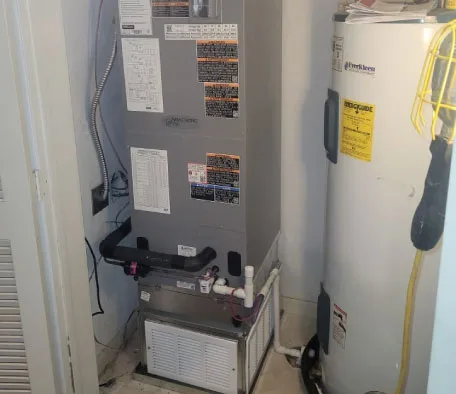
Step 1: Emergency Intake & Symptom Assessment
When you call with a tankless problem, we ask targeted questions: What happened? (no hot water, fluctuating temperature, error code?) When did it start? Has this happened before? Have you done recent maintenance? Is the unit under warranty? This intake helps us arrive prepared with the right tools and parts. Winter emergencies get same-day dispatch priority.
- Gather symptom details and timeline
- Ask about recent service, power outages, weather
- Determine unit age and brand
- Assess severity: comfort issue vs. safety hazard
- Schedule same-day service when possible
Step 2: Visual Inspection & Component Checks
Our technician arrives with a diagnostic toolkit. We visually inspect: Is the display lit? Are there error codes? Is there visible corrosion, leaking, or damage? We check gas connections, water lines, venting, and the electrical plug. We listen to startup and operation. We measure water pressure and temperature. We test gas supply pressure if applicable. This inspection often narrows the problem to one or two components.
- Power on unit and observe display, codes, startup
- Measure incoming water pressure (minimum 20 PSI)
- Measure inlet water temperature and setpoint
- Check gas connections and pressure (gas models)
- Inspect water inlet filter for debris
- Listen for ignition clicks, burner hum, unusual sounds
Step 3: Targeted Testing & Root Cause Identification
Once inspection narrows it down, we run specific tests. For no-heat or ignition failures, we test the ignition electrode and gas supply pressure. For temperature fluctuation, we measure flow sensor output and run temperature stability tests. For error codes, we consult manufacturer guides and test the flagged sensor or component. For scaling, we flush with descaling solution and remeasure heat exchanger temperature. This pinpoints the exact failed component.
- Test ignition spark (gas models) with proper spark tester
- Measure gas supply pressure and compare to manufacturer spec
- Test water inlet flow sensor by simulating demand
- Perform temperature rise test across multiple flow rates
- Run multi-minute temperature stability test to detect fluctuation
- Clean or replace water inlet filter to eliminate blockage as a variable
- Consult manufacturer’s fault code guide to confirm diagnosis
Step 4: Component Repair or Replacement
Once we know what’s broken, we fix it. Most repairs are part replacements: corroded gas valve, failed ignition module, bad temperature sensor, clogged water inlet filter, or broken display panel. We use OEM parts (original equipment manufacturer) for durability and warranty coverage. If scaling is the issue, we run a descaling protocol, flushing the heat exchanger with approved solution and measuring recovered heat transfer. If the repair involves gas-side work, we pressure-test and perform combustion analysis after to confirm safety.
- Replace faulty ignition electrode or ignition module (gas models)
- Replace corroded gas control valve
- Replace failed water inlet sensor or temperature sensor
- Clean or replace water inlet strainer and filter
- Flush heat exchanger with descaling solution for hard water buildup
- Replace broken display panel or control board
- Test combustion and vent draw after any gas-side repair (gas models)
- Pressure-test all water connections after any water-side repair
Step 5: Full Post-Repair Testing & Education
Before we finish, we test your repaired unit thoroughly. We run it through multiple flow rates and temperatures to confirm stability. We power it off and on to verify ignition and display. For gas units, we perform combustion analysis and vent draw testing. We check that error codes are cleared and the unit operates normally. We walk you through what failed, what we did to fix it, and what steps you can take to prevent future failures - especially if scaling was the culprit.
- Activate unit and confirm ignition and heating (gas or electric)
- Measure outlet water temperature across multiple flow rates
- Confirm temperature stability - no wild swings or overshooting
- Verify error codes are cleared and unit displays “Ready”
- Test safety shutdown if flow drops below minimum threshold
- Perform combustion analysis and vent draw test (gas models)
- Confirm unit cycles on and off normally during 15-minute full-load test
- Walk you through the repair, failure root cause, and prevention steps
- Provide written invoice with parts replaced and labor hours
- Explain warranty: parts warranty (typically 1 year), labor warranty (12 months)
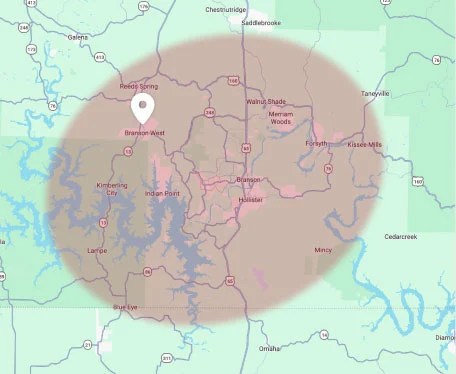
Don’t See Your Location?
We may still be able to help! Give our team a call today to see if we service your neighborhood, and we’ll be happy to assist you.
Service Areas
Tankless Water Heater Repair Service Areas in Southwest Missouri
We provide emergency and routine tankless repair across the Branson region - from our home base out to the smaller communities along the Table Rock Lake corridor.
Proudly Serving Our Communities Around:
Other Locations We Serve:
Explore More
Keep Your Water Heating System Running Smoothly
A repaired tankless system performs best as part of a complete water heating and conditioning strategy. Explore the related services we provide for homes across the Branson area.
Tankless Water Heater Maintenance & Tune-Up
Annual descaling and inspections prevent costly repairs and extend system lifespan to 20+ years.
Explore Tankless Water Heater Maintenance & Tune-UpTankless Installation & Replacement
When repair isn’t cost-effective, we install new systems sized perfectly for your home’s hot water demand.
Explore Tankless Installation & ReplacementTank Water Heater Services
If you prefer traditional tank units, we install and service those with the same expertise and reliability.
Explore Tank Water Heater ServicesWater Conditioning & Softening
Hard water is the enemy of tankless longevity. Softening reduces descaling frequency and protects your investment.
Explore Water Conditioning & SofteningFurnace Repair & Service
Your heating system matters as much as your hot water. We handle complete home comfort repairs.
Explore Furnace Repair & ServiceTankless failures disrupt your comfort - especially in winter. 360 Comfort Solutions brings 40+ years of hands-on experience diagnosing and repairing every major brand. We understand Branson’s hard water challenges and know how to assess, descale, and restore systems to peak performance. You need a contractor who shows up fast, diagnoses accurately, and explains how to prevent future failures. Call today to schedule emergency repair, discuss preventive descaling and maintenance, or explore replacement options if repair isn’t cost-effective.
Questions & Answers