
Whole-Home Generators
Whole-Home Generator Protection for Your Branson Home
Power outages happen - sometimes lasting hours, sometimes days. When the grid goes down, you lose heating, cooling, refrigeration, water pressure, and everything else that depends on electricity. A whole-home generator automatically kicks in when power fails, keeping your furnace running, your water heater working, your refrigerator cold, and your home comfortable. No need to worry about frozen pipes in winter, spoiled food in summer, or extended periods without essential services.
Get a Free Estimate
Why Choose Us
Why Branson Homeowners Choose Us for Generator Installation & Service
A whole-home generator is a long-term investment in your family’s safety and comfort. Here’s what sets 360 Comfort Solutions apart when it’s time to install or service your backup power system.
Ready to Protect Your Home with Backup Power?
Whether you’re interested in learning about generator options, want to understand what size system you need, or are ready to install a generator, contact us for a no-obligation consultation. We’ll assess your home, discuss your concerns about power outages, and help you choose a solution that fits your needs and budget.
Our Generator Process
How We Install & Service Your Whole-Home Generator
From load analysis to final inspection, here’s exactly what to expect when 360 Comfort Solutions installs your backup power system.
Step 1: Power Outages & Why Whole-Home Generators Matter
Branson experiences occasional power outages - sometimes from severe weather, sometimes from routine grid maintenance. While most outages last only minutes to hours, some extend for days, particularly during winter ice storms or summer severe thunderstorms. The longer an outage, the greater the impact on your family and home.
- Winter outages: frozen pipes and dangerous interior temperatures without heat
- Summer outages: dangerous heat and food spoilage without AC or refrigeration
- Well pump homes lose water pressure entirely during outages
- Elderly family members and young children face elevated risk during extended outages
- Automatic activation means no manual setup required during an emergency
- Whole-home coverage keeps your routine uninterrupted regardless of outage length
Step 2: Whole-Home Generator Options & Sizing
Modern whole-home generators come in various sizes and fuel types. Generator size is measured in kilowatts (kW). Home generators typically range from 7 kW (small systems for essential loads only) to 25+ kW (full home coverage). Your load analysis determines the appropriate size for your home.
- Essential-loads systems (7–10 kW): furnace, water heater, refrigerator, well pump, and lighting
- Mid-range systems (13–17 kW): most home loads including cooling, heating, and normal appliance use
- Full-home systems (20–25+ kW): all appliances and equipment simultaneously without restriction
- Natural gas generators: convenient with existing gas service, continuous fuel supply
- Propane generators: ideal for homes without natural gas, excellent fuel shelf stability
- Automatic transfer switches: detect outages and start the generator within 10–20 seconds
Step 3: Load Analysis & System Design
We assess your home’s electrical systems and identify your critical loads - furnace, water heater, refrigerator, well pump, and more. We calculate peak simultaneous demand to determine the correct generator size. A generator that’s too small won’t power essential systems; one that’s oversized wastes fuel and money. We calculate precisely for your situation.
- Inventory all major electrical loads in your home
- Identify essential vs. non-essential circuits
- Calculate peak simultaneous demand in kilowatts
- Verify well pump starting capacity requirements if applicable
- Recommend generator size based on actual calculated load
- Discuss fuel type options based on your home’s existing infrastructure
Step 4: Professional Generator Installation
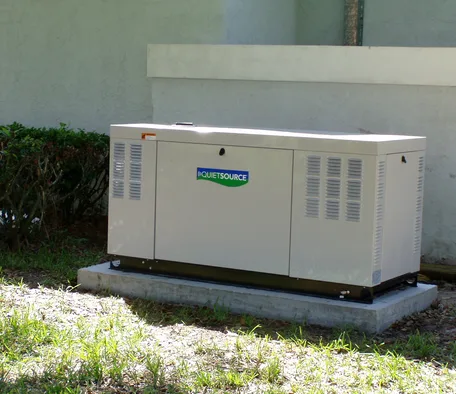
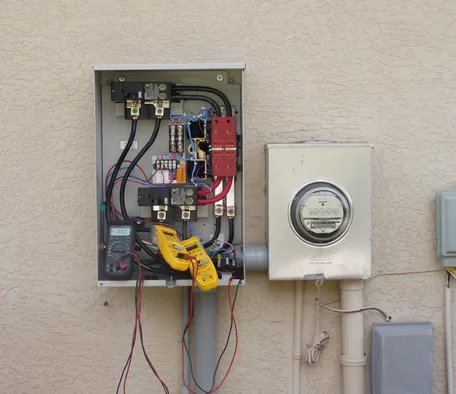
Our licensed electricians handle every aspect of generator installation: the generator unit, concrete pad if needed, fuel supply line (propane or natural gas), electrical connections, and transfer switch. The entire process typically takes 1–3 days depending on system complexity and fuel routing. We handle all permitting with local authorities.
- Install generator unit on a level concrete pad outside your home
- Connect propane or natural gas fuel supply line
- Install automatic transfer switch integrated with your electrical panel
- Run all electrical connections per code requirements
- Handle permitting and schedule city/county inspection
- Test system under load to verify proper operation before handoff
Step 5: Generator Maintenance & Ongoing Service
Whole-home generators require minimal but important maintenance to stay ready when you need them. We offer maintenance plans that keep your system operating at peak performance and give you confidence that your backup power is ready when needed.
- Annual oil changes (or every 100–200 hours of operation)
- Seasonal filter replacements as needed
- Fuel system inspection for propane or natural gas connections
- Monthly exercise cycle to keep the generator ready for actual use
- Annual professional inspection and tune-up
- Prompt repairs and warranty claim assistance for Generac systems
Step 6: Testing, Inspection & Owner Training
After installation, we test the system under load to verify proper operation, then schedule the city/county inspection. Once approved, your system is fully operational. We show you how the system works, explain maintenance requirements, and provide complete documentation. You don’t need to do anything after installation - the system operates automatically during outages.
- Full load test to verify generator output and transfer switch operation
- Schedule and pass city/county electrical inspection
- Walk homeowner through system controls and indicators
- Explain automatic start/stop operation and what to expect during an outage
- Provide all documentation, warranty cards, and maintenance schedule
- Review fuel monitoring and refilling procedures for propane systems
Don’t See Your Location?
We may still be able to help! Give our team a call today to see if we service your neighborhood, and we’ll be happy to assist you.
Service Areas
Whole-Home Generator Services Across Branson & Southwest Missouri
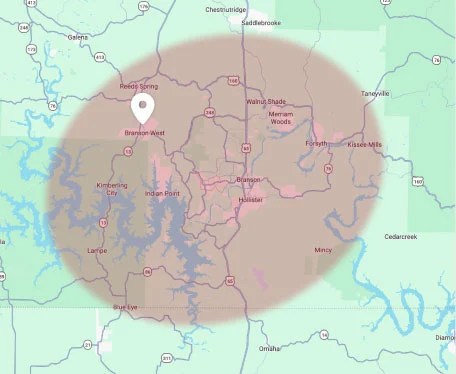
We install and service whole-home generators for homeowners throughout the Branson area - from our home base out to the smaller communities along the Table Rock Lake corridor.
Proudly Serving Our Communities Around:
Other Locations We Serve:
Explore More
Related Home Protection & Comfort Services
A whole-home generator works best as part of a complete home comfort and protection strategy. Explore the related services we provide for homes across the Branson area.
Furnace Services
Your furnace depends on electricity to operate. A backup generator ensures your furnace keeps running during power outages. Learn about our furnace repair, maintenance, and installation.
Explore Furnace ServicesWater Heater Services
Backup power keeps your water heater operating during outages. Explore our water heating solutions that work with generator backup.
Explore Water Heater ServicesAir Conditioning Services
During summer outages, backup power ensures your AC keeps your home cool. Our AC repair, installation, and maintenance includes generator integration planning.
Explore Air Conditioning ServicesComplete HVAC Services
Generators protect your entire HVAC system during power failures. Learn about all our heating, cooling, and comfort services.
Explore Complete HVAC ServicesIndoor Air Quality Solutions
While your generator keeps systems running, our air filtration and quality solutions ensure healthy air during extended outages.
Explore Indoor Air Quality SolutionsYour Backup Power
Backup Power That Works Automatically When You Need It
Power outages are inevitable, but their impact on your home, family, and comfort doesn’t have to be. A whole-home generator provides automatic backup power - no manual setup, no worry about extended outages, no risk of frozen pipes, spoiled food, or lost comfort. When the grid fails, your generator activates silently and automatically, keeping your home comfortable and functional. Our 40+ years of hands-on experience means we know which systems perform well in the Branson area. Call us to schedule a free consultation, and let’s find the perfect generator solution for your home.
Questions & Answers