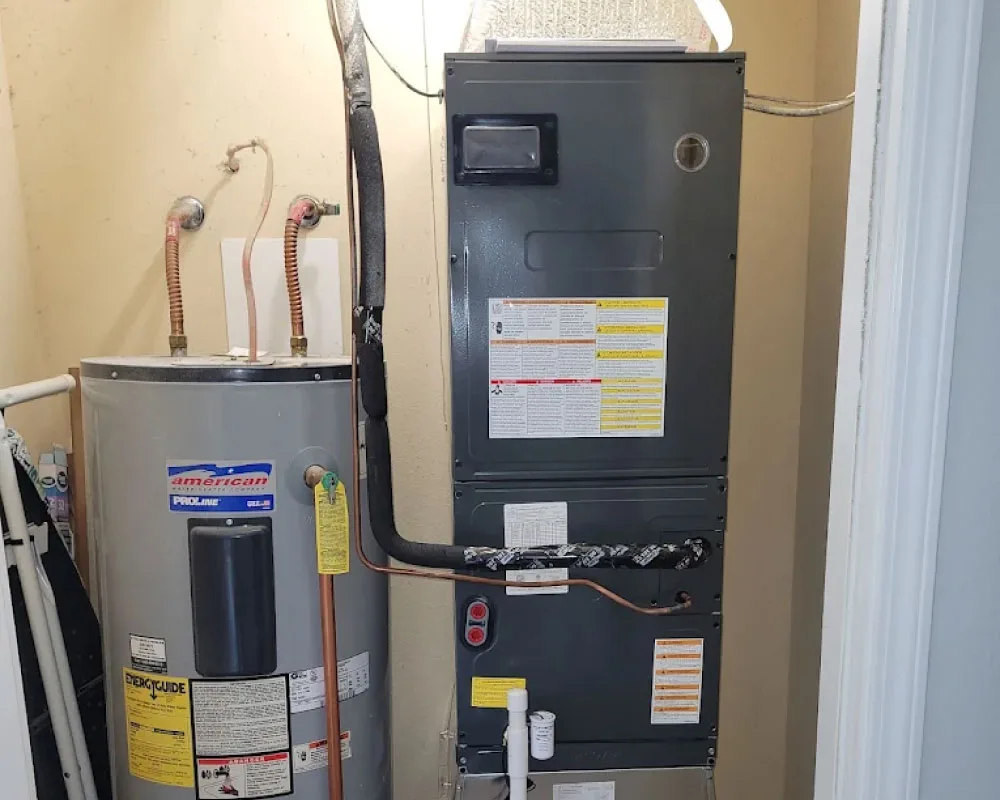
Furnace Repair & Emergency Heating
Furnace Repair & Emergency Heating Service in Branson, MO
Furnace stopped working on a cold night? Running but not heating? Making strange noises? We diagnose and repair furnaces across Branson and the surrounding area. Same-day response available for winter emergencies - call us to restore heat to your home fast.
Get a Free Estimate
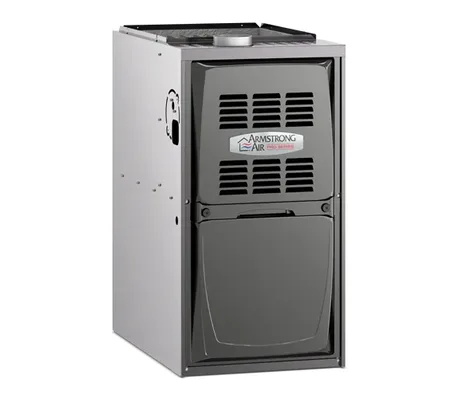
Why Choose Us
What Sets Our Furnace Repair Approach Apart in Branson
A furnace failure in winter is urgent. Here’s what sets 360 Comfort Solutions apart when it’s time to diagnose and repair your heating system.
Your Furnace Isn’t Heating. We’ll Find Out Why.
Whether your system won’t start, runs but doesn’t heat, cycles repeatedly, makes concerning sounds, or has failed a safety shutdown, we perform a thorough diagnostic and walk you through repair options before we touch a single part.
Our Repair Process
Our Furnace Repair & Diagnostic Process
From the first phone call to the final safety check, here’s exactly what to expect when 360 Comfort Solutions diagnoses and repairs your furnace.
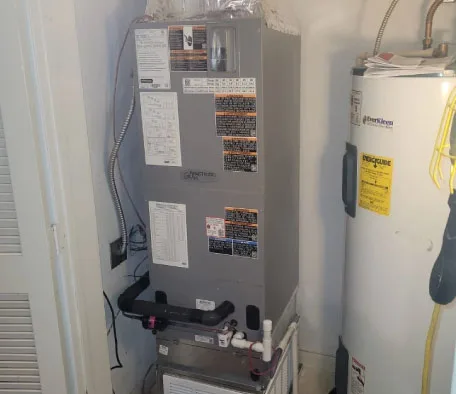
Step 1: Phone Intake & Emergency Triage
You call with your furnace problem. We ask specific questions: Is the furnace attempting to start at all, or completely silent? Is heat being produced (you feel warm air), or is the air cold? How long has it been failing? Are there any safety light flashes or error codes? We determine urgency - no heat in subzero weather is emergency priority - and get you on the schedule immediately if available. During this call, we’re gathering information that tells us what equipment and tools to bring. A homeowner reporting “pilot light won’t stay lit” requires different diagnostics than one saying “furnace runs but no heat.” We arrive prepared.
- Listen to problem description in detail
- Ask diagnostic questions: starting behavior, noise, temperature of air, cycling patterns
- Determine system age and repair history if known
- Establish urgency (emergency vs. routine)
- Provide time window for technician arrival
- Advise on temporary measures if available (setting thermostat lower, checking filters)
Step 2: Visual & Safety Inspection
Our technician arrives and conducts a thorough walk-through while attempting to operate the furnace. We inspect the furnace cabinet for physical damage, corrosion, or signs of heat exchanger leaks. We listen to ignition and burner operation. We check the venting system for blockages or improper draft. We examine the thermostat and its wiring. We check filter condition and return air pathways. We look for obvious hazards like gas leaks or carbon monoxide risk. This is where field experience matters. A technician who’s seen thousands of furnaces can often spot a problem quickly - a corroded burner, a loose gas connection, visible heat exchanger cracks, a thermostat short circuit. We document observations, and if hazards are present, we’ll advise immediate shutdown and safety measures.
- Inspect furnace cabinet for physical damage, rust, or corrosion
- Check venting system for blockages or improper draft
- Examine gas supply line and connections for leaks
- Listen to ignition sequence and burner flame ignition
- Measure temperature output at supply registers
- Check thermostat battery, wiring, and settings
- Inspect filter condition and return air intake
- Take baseline photos if visible damage or hazards are apparent
Step 3: Detailed Diagnostic Testing with Safety Verification
Using calibrated instruments, we measure critical furnace parameters and safety indicators. We document every measurement and show you the data. If combustion safety is compromised, we shut the system down immediately.
- Measure gas pressure with calibrated regulator gauge
- Check ignition voltage and flame sensor resistance
- Perform combustion analysis: oxygen levels, CO levels, efficiency percentage
- Measure airflow and static pressure in ducts
- Test limit switches, rollout switches, and blower relay
- Verify thermostat control signal and voltage to furnace
- Measure amperage draw of blower motor and verify against nameplate
- Carbon monoxide testing throughout the home if combustion hazard suspected
Step 4: Diagnosis & Repair Recommendation
We sit down with you and explain exactly what we found. Here’s the broken component, here’s why it failed, here’s the repair cost, and here’s our warranty. We provide options if applicable (e.g., repair the heat exchanger vs. replace the entire furnace). We never use vague language - we tell you what’s actually wrong and what it will cost to fix. This conversation often includes a bigger-picture discussion. If your burner assembly is heavily scaled but the rest of the furnace is in good condition, cleaning and repair makes sense. If your heat exchanger shows cracks, replacement is the only safe option. If your furnace is 18+ years old and frequent repairs are piling up, replacement might be more economical than continuing to patch an aging system.
- Present findings in plain language with explanation
- Show test measurements and readings to support diagnosis
- Explain repair cost vs. replacement cost (lifespan, warranty, risk)
- Discuss temporary vs. permanent solutions
- Confirm parts availability and timeline for repair
- Get written approval before proceeding with any repair work
- Document all diagnostic data on the service invoice for your records
Step 5: Repair Execution & Safety Verification
Once approved, we perform the repair. If it’s a pilot light issue, we clean the assembly, test the thermocouple, and verify flame ignition. If it’s a blower failure, we replace the motor or control board. If it’s a heat exchanger crack, we coordinate replacement and ensure proper venting. After every repair, we run the furnace through complete heating cycles, verify temperature output, re-test combustion for safety, and confirm all safety shutoff switches respond correctly.
- Perform repair following manufacturer and code specifications
- Use factory-correct gas pressure and flame specifications
- Verify all electrical connections and safety interlocks
- Run furnace through multiple heating cycles
- Measure heat exchanger temperature rise and confirm efficiency
- Re-test combustion via analyzer for safe operation
- Verify pilot light or spark ignition reliability
- Test safety shutoff switches with furnace running
Step 6: Handoff, Safety Testing & Documentation
Before we leave, you get a full explanation of the repair, a written summary of what was replaced or repaired, warranty details, and guidance on prevention. We provide our contact information if you have questions after repair. Most importantly, we document that your furnace has been tested for safe, efficient operation.
- Review repair scope and all replaced components
- Explain warranty coverage (parts, labor, duration)
- Provide complete test results: combustion data, temperature rise, safety verification
- Answer questions about system operation and thermostat settings
- Provide invoice with detailed repair description and test documentation
- Offer annual maintenance plans to prevent future failures
- Share contact information for follow-up questions or concerns
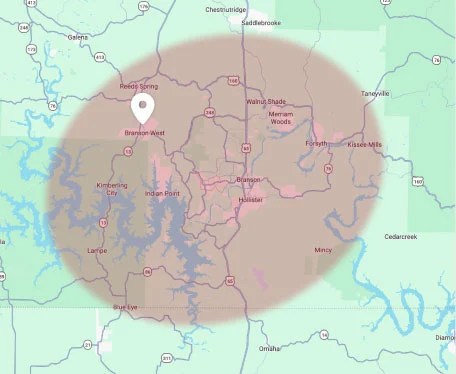
Don’t See Your Location?
We may still be able to help! Give our team a call today to see if we service your neighborhood, and we’ll be happy to assist you.
Service Areas
Furnace Repair Service Areas in Southwest Missouri
We provide emergency and routine furnace repair across the Branson region - from our home base out to the smaller communities along the Table Rock Lake corridor.
Proudly Serving Our Communities Around:
Other Locations We Serve:
Explore More
Keep Your Furnace Running - Preventive & Related Services
A repaired furnace performs best as part of a complete preventive care plan. Explore the related services we provide for homes and businesses across the Branson area.
Furnace Maintenance & Tune-Up
Annual fall tune-ups catch problems before they become emergencies and keep your system efficient all winter.
Explore Furnace Maintenance & Tune-UpFurnace Installation & Replacement
If repair costs are climbing and your system is aging, a new high-efficiency furnace might make financial sense.
Explore Furnace Installation & ReplacementHeat Pump Repair & Service
We repair ducted and mini-split heat pump systems that handle both heating and cooling.
Explore Heat Pump Repair & ServiceAir Conditioning Repair & Service
If your furnace works but your summer cooling system needs service, we handle both.
Explore Air Conditioning Repair & ServiceDuctwork Inspection & Sealing
Leaky ducts reduce heating efficiency and can block return air; we test and seal to improve performance.
Explore Ductwork Inspection & SealingIndoor Air Quality & Humidity Control
Dry winter air and poor airflow often accompany furnace problems; we offer humidifiers and air filtration solutions.
Explore Indoor Air Quality & Humidity ControlHonest diagnosis is the foundation of good repair work. We don’t replace parts hoping one fixes it, and we don’t pressure you into upgrades you don’t need. We measure, test, show you the data, and tell you exactly what’s wrong and what it costs to fix. That approach takes time upfront but saves you money in the long run. No surprise charges, no callback repairs from incomplete work, and no safety risks from cutting corners. Call us now if your furnace isn’t heating, or schedule a diagnostic visit at your convenience. Winter or summer, we’re here to get your system back in service and ensure it’s operating safely.
Questions & Answers